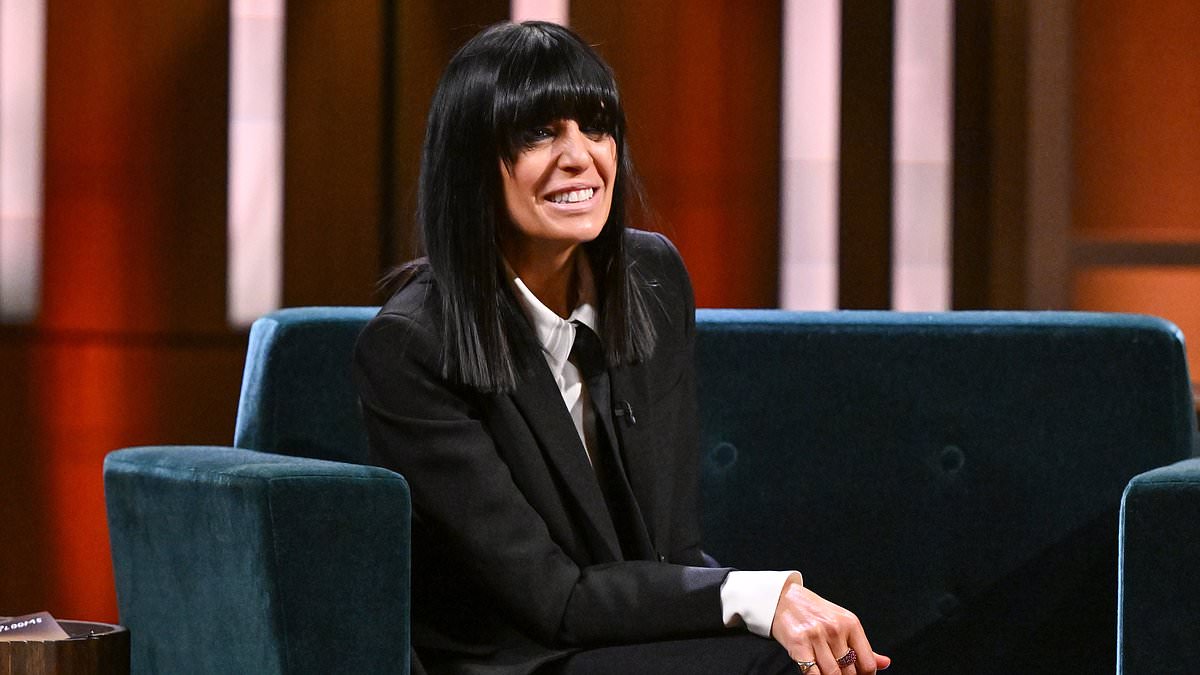
The Claudia Winkleman Chat Show Review: A Divisive Debut
The highly anticipated launch of "The Claudia Winkleman Show" on BBC screens was met with a fascinating dichotomy of reactions, leaving critics impressed while a significant portion of the viewing public remained distinctly underwhelmed. As the former *Strictly Come Dancing* host stepped into a new prime-time role, taking over the coveted Friday night slot for a seven-week stint in a brand new London studio, the stage was set for a fresh take on the classic chat show format. While Claudia Winkleman's undeniable charisma and wit shone through for many industry observers, the shadow of a much-loved predecessor loomed large over audience perceptions.
The Grand Debut: A Tale of Two Receptions
From the moment the inaugural episode aired, featuring a top-tier guest line-up including the ever-charming Jeff Goldblum, musical legend Vanessa Williams, comedy icon Jennifer Saunders, and stand-up favourite Tom Allen, it was clear that the show was aiming high. Critics, by and large, were pleasantly surprised. Lucy Mangan, a notable voice among reviewers, though giving the show a modest two stars, remarked on Claudia's impressive performance, stating she was "faster and wittier than at least three fifths of her guests." Mangan further acknowledged the inherent difficulty of the chat show host role, commending Winkleman for putting in a "respectable first shift" despite her characteristic self-mockery and visible nerves. This critical praise highlighted Claudia's natural ability to engage and entertain, even in a format that demands quick thinking and impeccable timing.
However, the sentiment from viewers, particularly those who took to social media, painted a starkly different picture. The overwhelming consensus was that "The Claudia Winkleman Show" was "nowhere near as good as Graham Norton," with many asserting that even Claudia's renowned charisma couldn't save it. Criticisms ranged from fundamental production choices, such as a strong dislike for the recorded audience noise, to concerns about the interview style itself. Viewers felt the conversations were "unstructured and 'all over the place'," leading to instances where celebrities appeared to talk over each other, detracting from the flow and depth of discussion. This immediate and vocal feedback underscored the challenge of launching a new show in a well-established genre, especially when comparisons to a beloved staple are inevitable.
Behind the Mic: Claudia's Unique Hosting Style and Its Challenges
Claudia Winkleman's appeal has long been rooted in her distinctive persona: a blend of self-deprecating humour, quick wit, and genuine warmth. These qualities have made her a national treasure through her work on *Strictly Come Dancing* and, more recently, her acclaimed role on *The Traitors*. When transitioning to a chat show, these attributes are vital. As Lucy Mangan pointed out, Winkleman exhibited impressive speed and wit, demonstrating her capability to hold her own even alongside seasoned entertainers. Her "self-mockery and nerves" are part of her charm, often disarming guests and viewers alike, creating an accessible, relatable atmosphere.
However, the chat show format presents unique demands that can test even the most experienced presenters. It requires not just the ability to deliver jokes and prompts, but also to actively listen, guide conversations without dominating them, ensure all guests have a voice, and manage the overall energy of the room. The viewer feedback about "unstructured interviews" and guests talking over each other suggests that while Claudia's individual performance was commendable, the overall *direction* and *flow* of the conversations needed refinement. This is where the art of the chat show truly lies – in making the complex appear effortless. A host must be an adept conductor, ensuring harmony and individual brilliance simultaneously. For more on the initial reception of her interview style, explore our deeper dive:
Claudia Winkleman's Debut: Witty Host, Unstructured Interviews. Refining these elements will be crucial for the show's long-term success.
The Elephant in the Room: Comparisons to Graham Norton
It's impossible to discuss any new BBC chat show, especially one airing in a similar slot, without addressing the looming presence of Graham Norton. Viewers' immediate comparison, claiming Claudia could "never replace" him, highlights the profound legacy Norton has built over years with his unique blend of cheeky humour, effortless celebrity rapport, and the iconic red sofa. The BBC's strategic decision to commission "The Claudia Winkleman Show" from So Television – the very company co-founded by Graham Norton himself and business partner Graham Stuart – further fuels these comparisons. This shared lineage, while providing a solid production foundation, also sets an almost impossibly high bar.
Crucially, the BBC's plan is that Winkleman's series will broadcast precisely when "The Graham Norton Show" is off-air. This strategic scheduling ensures there will be "no clashes between the shows" and they will not be "competing for guests." This deliberate move aims to create distinct viewing periods for each show, allowing both to thrive without direct rivalry. The BBC recently renewed "The Graham Norton Show" for another three years, showcasing its continued importance, and its ability to secure A-list bookings like Taylor Swift speaks to its enduring appeal. While it's natural for audiences to draw parallels, it's perhaps more constructive to view Claudia's show not as a replacement, but as a complementary offering designed to fill a specific slot in the BBC's entertainment calendar. The question of whether any host can truly fill the shoes of a broadcasting giant like Norton is complex; delve deeper into this discussion here:
Can Claudia Winkleman's Chat Show Fill Graham Norton's Shoes?
Production Insights: So Television and the BBC's Strategy
The decision to have So Television, owned by ITV Studios and the creative force behind "The Graham Norton Show," produce "The Claudia Winkleman Show" is a significant one. It suggests a desire for continuity in production quality and a proven track record in the chat show genre. So Television's expertise, which also extends to diverse projects like Hannah Gadsby’s *Gender Agenda* on Netflix, brings a wealth of experience in managing high-profile talent and complex productions. This partnership offers Claudia's show a strong technical and creative backbone, potentially allowing her to focus more on her hosting duties.
Interestingly, the news of Winkleman securing her own chat show followed closely on the heels of a "glitterball bombshell" announcement regarding her and Tess Daly's plans to quit *Strictly Come Dancing*. Sources indicated that this social media reveal "blindsided" the BBC, which didn't release a statement until hours later, highlighting the considerable "presenter power" the duo wield. This anecdote provides valuable context: Claudia Winkleman is a significant talent in British broadcasting, capable of driving her own narrative and commanding influence. Her new show is not merely a filler but a strategic investment in a proven star. The BBC's long-term vision appears to be about diversifying its prime-time chat offerings, ensuring a consistent stream of engaging content throughout the year without pitting its top presenters against each other.
What the Future Holds for Claudia's Chat Show
The initial "Claudia Winkleman Chat Show Review" presents a mixed but not insurmountable picture. Claudia's personal performance garnered praise, affirming her status as a quick-witted and engaging host. The strong guest line-ups demonstrate the show's potential to attract A-list talent, a critical component for any successful chat show. However, the viewer feedback regarding production elements like recorded audience noise and, more importantly, the perceived lack of structure in interviews, offers clear areas for improvement.
For the show to truly carve out its own identity and win over a broader audience, attention to these details will be paramount. Refining the interview format to ensure a more balanced and cohesive conversation, allowing each guest their moment while maintaining a lively ensemble feel, could significantly enhance the viewer experience. Addressing technical elements, such as the sound of the audience, is also a straightforward fix that could alleviate some of the initial complaints. Claudia's unique brand of charm is a powerful asset, and with a few adjustments to the format and production, "The Claudia Winkleman Show" has the potential to evolve beyond its initial divisive reception. It can become a fresh, engaging staple that complements the existing landscape of British television chat, securing its own devoted following.
In conclusion, "The Claudia Winkleman Show" emerged onto the BBC schedule with a robust start in terms of critical approval, yet faced an uphill battle in capturing the hearts of a public deeply loyal to the chat show format's existing titans. Claudia Winkleman herself delivered a performance praised for its wit and energy, underscoring her immense talent as a broadcaster. While comparisons to Graham Norton are inevitable, the BBC's strategic scheduling aims to foster a complementary rather than competitive environment. With focused refinement of its interview structure and responsiveness to audience feedback, this new venture has every opportunity to grow into a successful and distinct voice in prime-time television, building on Claudia's formidable presenter power and endearing personality.